Learn how to identify common risks and implement practical strategies to protect your business property and equipment from fire, theft, and natural disasters.
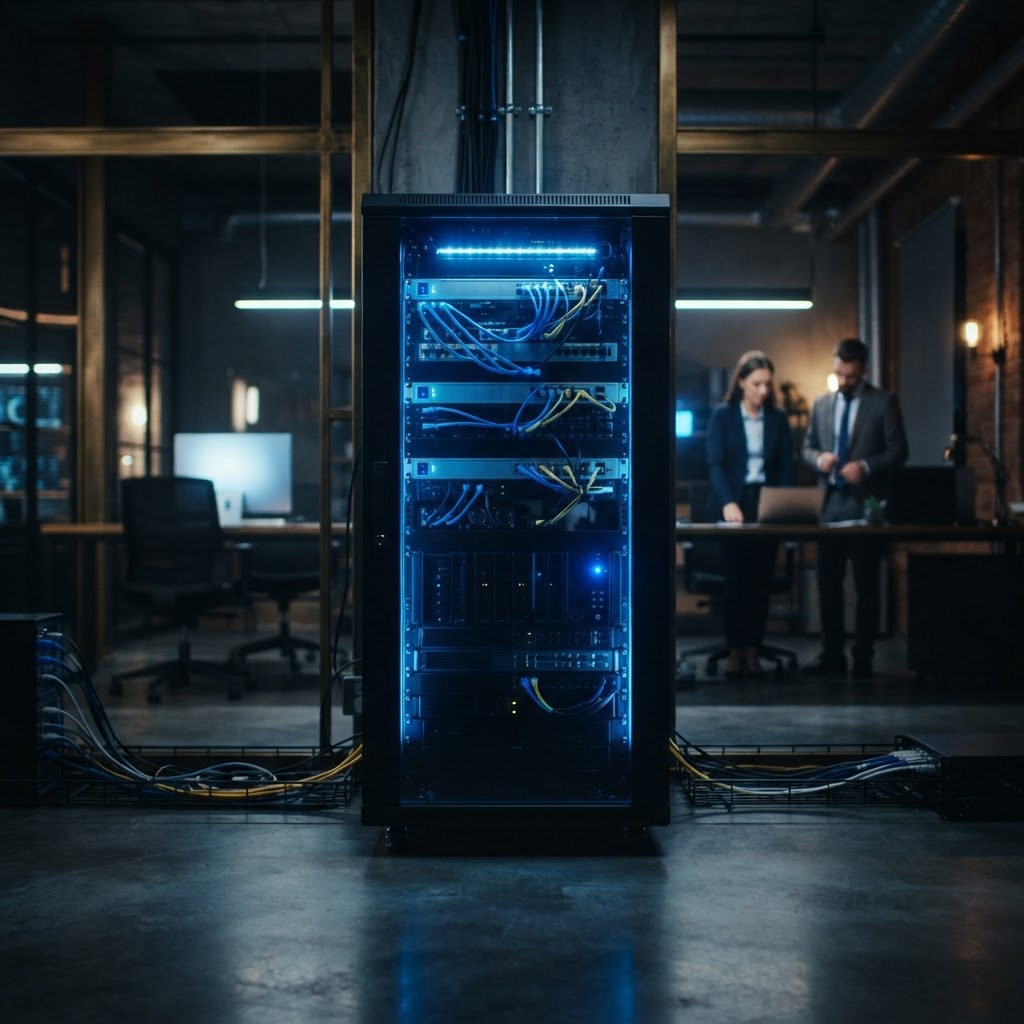
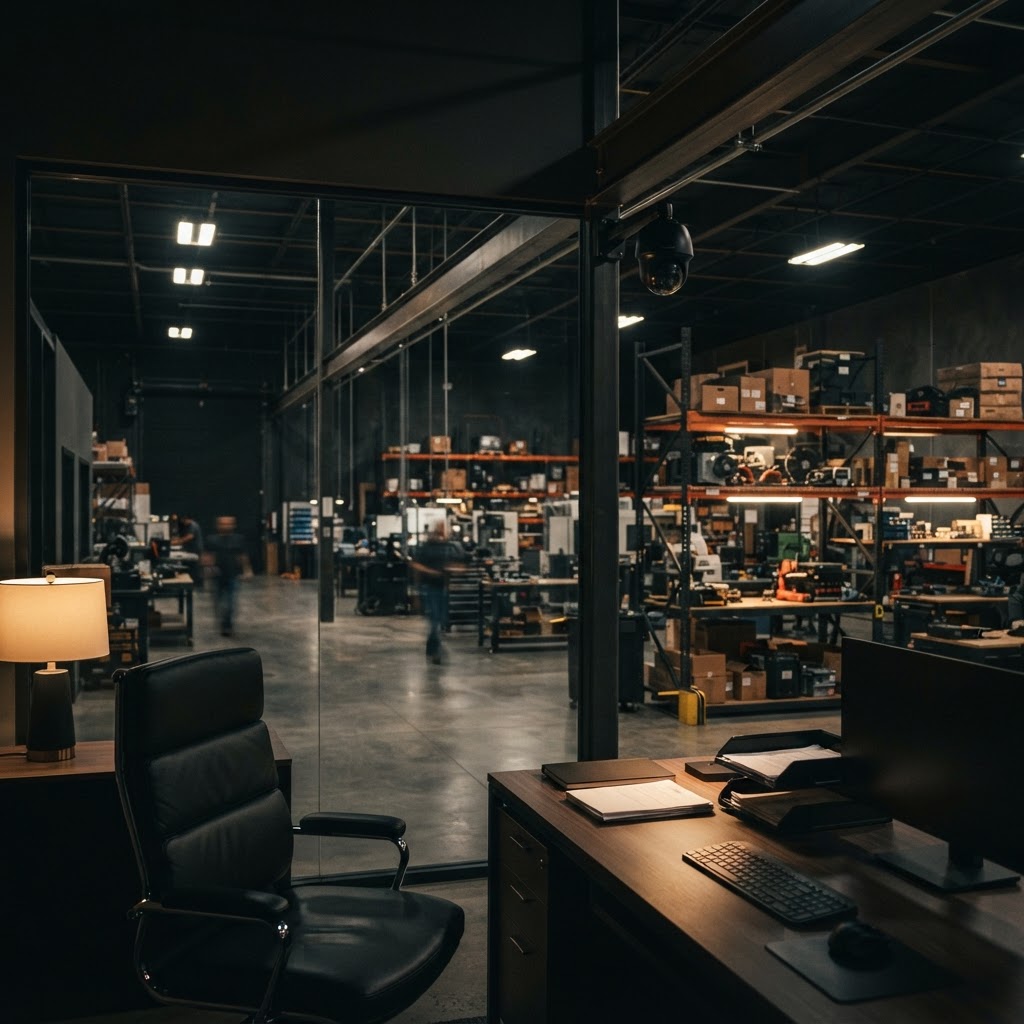
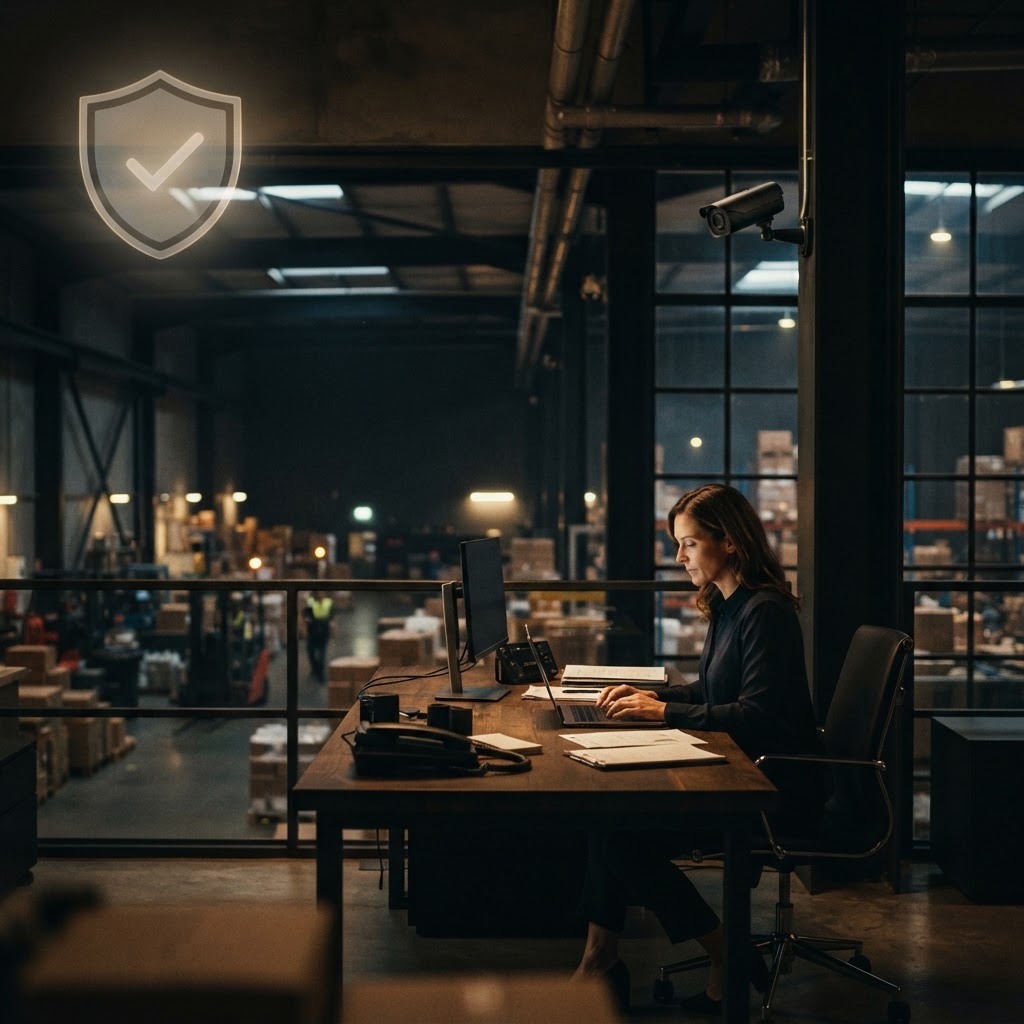
The Foundations of Property Protection\n\nYour business property—from the building you lease or own to the specialized machinery and office computers within it—represents one of your largest capital investments. Whether you are a local contractor with a fleet of tools or a boutique retailer in a historic downtown building, your physical assets are the engine of your operations. Protecting these assets requires a dual approach: proactive risk mitigation and a robust insurance strategy.\n\n## Identifying Common Threats\n\nThe first step in any protection plan is identifying where you are vulnerable. While every industry has unique hazards, several common risks apply to nearly every small to mid-sized business.\n\nFire and Smoke Damage: Even a small electrical fire can result in devastating losses, not just from flames but from smoke and soot that permeate walls and equipment.\n\nTheft and Vandalism: Small businesses are often seen as softer targets than large corporations. Expensive electronics, specialized tools, and inventory are highly liquid assets for thieves.\n\nWater Damage: This is one of the most frequent causes of commercial property claims. Whether it is a burst pipe during a cold snap or a leaking HVAC system, water can destroy flooring, documents, and sensitive electronics in hours.\n\nNatural Disasters: Depending on your location, windstorms, hail, or lightning strikes can cause sudden, catastrophic damage to your roof, windows, and exterior signage.\n\n## Implementing Physical Security Measures\n\nPrevention is always more cost-effective than recovery. Investing in physical security not only protects your assets but can also lead to lower insurance premiums.\n\nStart with the basics: high-quality deadbolts, reinforced window frames, and adequate exterior lighting. Motion-sensor lights are a powerful deterrent for nighttime intruders. For many businesses, a monitored alarm system is a necessity. Modern systems now integrate with smartphones, allowing owners to view live video feeds and receive instant alerts if a door is opened after hours.\n\nDon't overlook internal theft. Implementing inventory controls, restricted access to storage areas, and clear employee protocols for handling equipment can significantly reduce "shrinkage" and internal loss.\n\n## The Importance of Maintenance\n\nEquipment failure is a major risk that many business owners overlook until it’s too late. When a critical piece of machinery breaks down, the cost isn't just the repair bill; it's the lost productivity and potential missed deadlines.\n\nEstablish a rigorous maintenance schedule for all major systems, including your HVAC, electrical panels, and specialized production equipment. Keep detailed logs of all service calls. Not only does this extend the life of your equipment, but it also provides crucial documentation if you ever need to file an insurance claim related to equipment failure.\n\n## Strategic Insurance Coverage\n\nWhile physical security and maintenance reduce risk, insurance provides the safety net when the unexpected happens. As an independent agency licensed in all 50 states, Oak & Harbor Insurance emphasizes that not all property policies are created equal.\n\nReplacement Cost vs. Actual Cash Value: When setting up your policy, understand the difference between these two. Actual Cash Value (ACV) pays what the item was worth at the time of the loss (including depreciation). Replacement Cost coverage pays to replace the item with a new one of similar quality. For most businesses, Replacement Cost is the safer choice.\n\nInland Marine Insurance: Do not let the name confuse you. If your equipment—like tools, laptops, or medical devices—frequently leaves your main premises, a standard property policy might not cover it. Inland Marine coverage protects your property while it is in transit or at a job site.\n\nEquipment Breakdown Coverage: A standard property policy covers external causes like fire. However, it often excludes internal causes like mechanical breakdown, power surges, or boiler explosions. Equipment breakdown coverage fills this gap, ensuring that a motor burnout or a computer system failure doesn't halt your business.\n\n## Disaster Preparedness and Recovery\n\nFinally, every business needs a disaster recovery plan. This includes off-site or cloud-based backups for all digital records and a "go-bag" of physical documents if you need to evacuate. Identify a secondary location where you could temporarily operate and keep a list of emergency vendors (plumbers, electricians, and board-up services) readily available.\n\n## Conclusion\n\nProtecting your business property is an ongoing process of assessment and adjustment. By combining proactive physical security, diligent maintenance, and a tailored insurance portfolio, you can ensure that your business is resilient enough to weather any storm. We recommend reviewing your coverage annually to ensure your policy limits keep pace with your business growth.
Commercial InsuranceBusiness PropertyRisk ManagementAsset ProtectionSmall Business Tips
Have questions about your coverage?
Our team evaluates coverage options to help find the right protection for your business.
Request a Quote