Learn how to shield your business assets from theft, fire, and natural disasters with these practical risk management strategies and insurance insights.
The Foundation of Your Business Operations
For many small to mid-sized business owners, the physical property and equipment you own are more than just line items on a balance sheet; they are the lifeblood of your operations. Whether it is a specialized CNC machine, a suite of high-end computers, or the storefront itself, these assets represent significant capital investments. However, they are also vulnerable to a variety of threats that can stall productivity or lead to devastating financial loss. Protecting these assets requires a two-pronged approach: proactive risk management and robust commercial insurance coverage.
At Oak & Harbor Insurance, we understand that every business has a unique footprint. Identifying your specific vulnerabilities is the first step toward building a resilient enterprise. By taking practical steps today, you can ensure that a minor accident or a major catastrophe does not become a terminal event for your company.
Identifying the Primary Threats to Your Property
Before you can implement a protection plan, you must understand the landscape of risk. The most frequent threats to business property include fire, theft, natural disasters, and internal equipment failure. Fire remains one of the most common causes of total loss, often resulting from electrical malfunctions, cooking equipment, or the improper storage of hazardous materials.
Theft and vandalism are equally concerning, particularly for businesses that maintain high-value inventory or specialized tools that are easily resold. Beyond external threats, natural disasters like windstorms, hail, and floods can cause massive structural damage. Finally, there is the often-overlooked risk of equipment breakdown. This is not damage caused by an external force, but rather internal failure such as a power surge, motor burnout, or mechanical seizure that renders essential machinery useless.
Proactive Physical Security and Fire Prevention
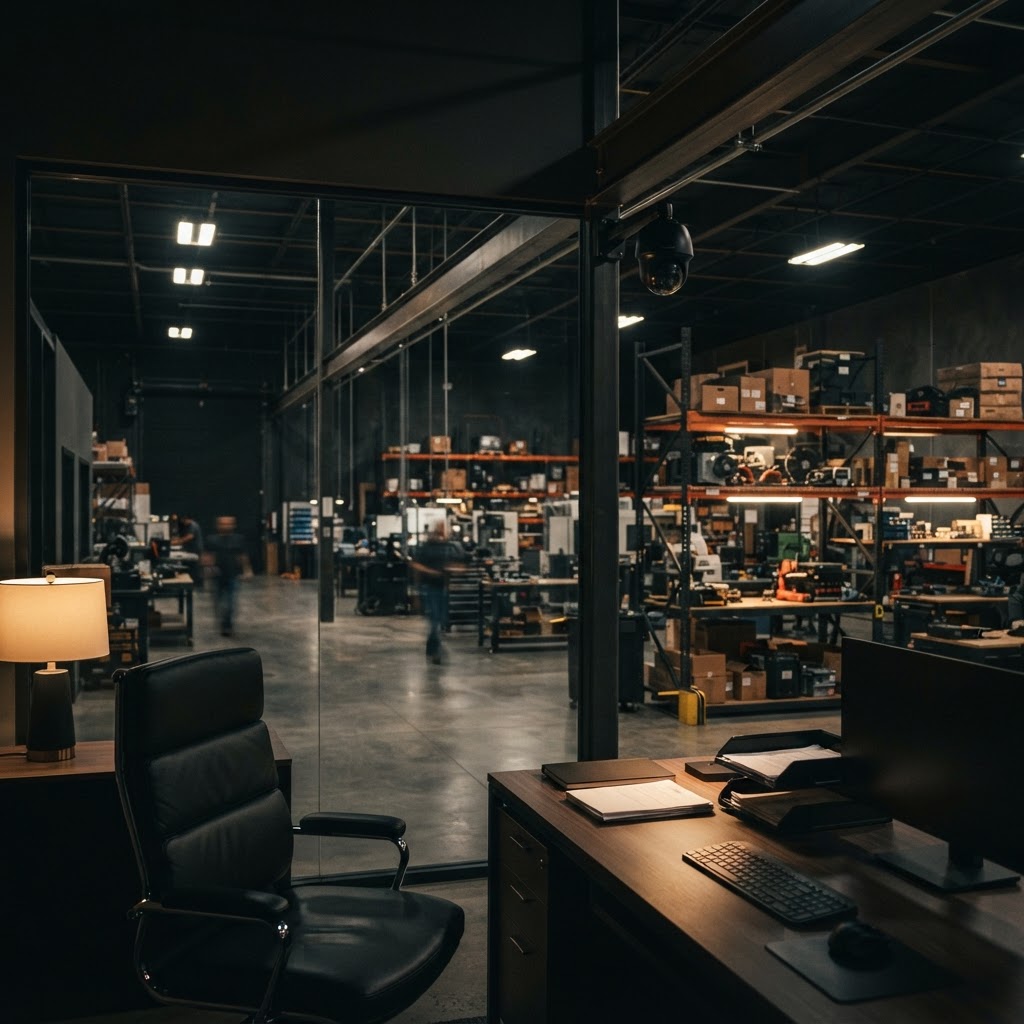
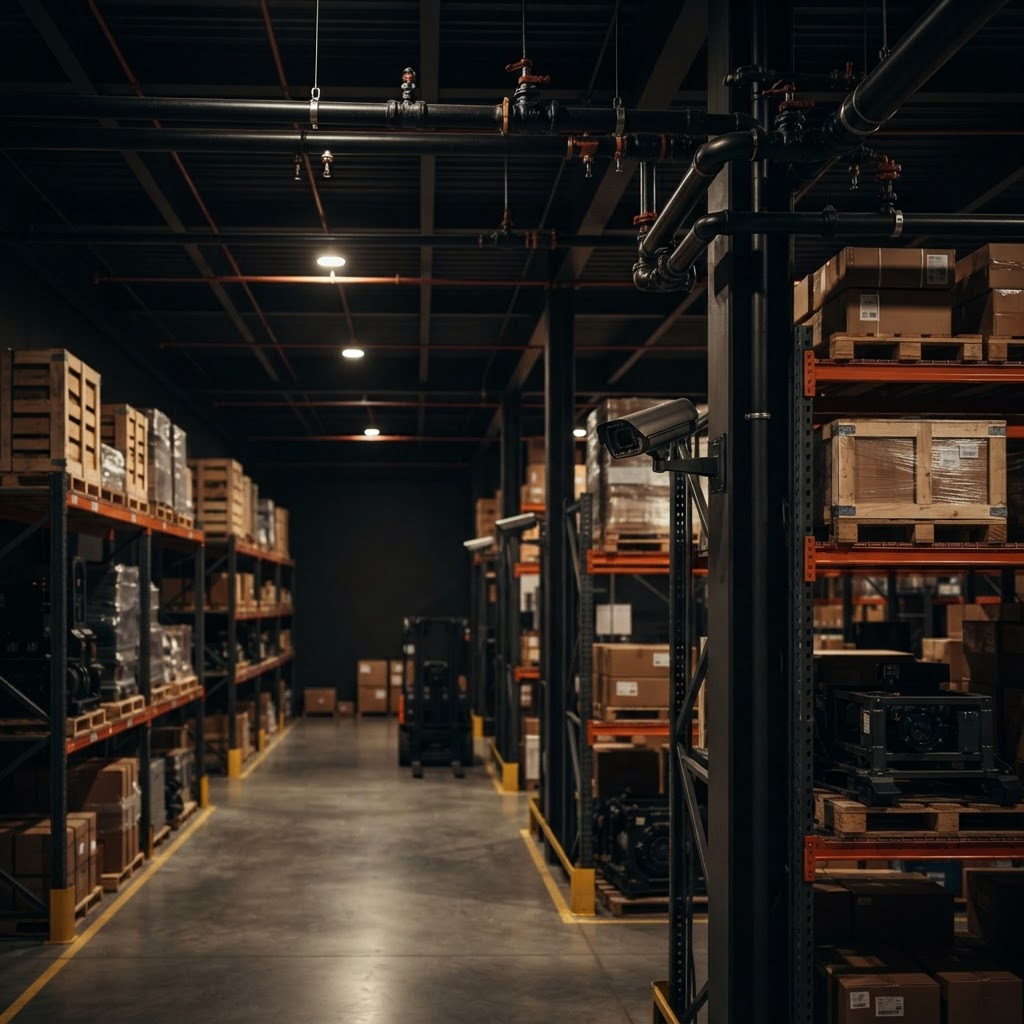
Security starts with the basics. Investing in high-quality deadbolts, smart alarm systems, and motion-activated exterior lighting can deter opportunistic thieves. For businesses with significant inventory, video surveillance is no longer a luxury; it is a necessity. Modern systems allow you to monitor your premises remotely from a smartphone, providing both a deterrent and valuable evidence if a breach occurs. Furthermore, implementing strict access control—limiting who has keys or digital codes to sensitive areas—minimizes the risk of internal theft.
Fire prevention is about more than just hanging an extinguisher on the wall. It involves a systematic review of your facility. Ensure that all electrical systems are inspected by a licensed professional every few years to prevent short circuits. If you operate in a sector that involves flammable materials, ensure they are stored in specialized cabinets. Regular maintenance of automated sprinkler systems and smoke detectors is non-negotiable. Additionally, train your employees on emergency protocols; a quick-thinking staff member can often contain a small fire before it spreads to the rest of the building.
Shielding Equipment from Internal Failure
Mechanical and electrical equipment requires a dedicated maintenance schedule to perform reliably. When a critical piece of machinery fails, the cost is not just the repair bill; it is the lost revenue from downtime. Implementing a preventive maintenance program—where components like belts, filters, and lubricants are replaced before they fail—is significantly cheaper than emergency repairs.
Consider the environment where your equipment is kept. Temperature control and dust mitigation are vital for sensitive electronics. Power surges are a major cause of equipment damage, so investing in commercial-grade surge protection for your entire electrical panel can save you from replacing expensive computer systems or industrial controllers after a lightning strike or utility fluctuation.
The Role of Accurate Documentation
In the event of an insurance claim, the burden of proof lies with the business owner. You must be able to demonstrate what was lost and what it was worth. This is where many small businesses struggle. We recommend maintaining a detailed, digital inventory of all business property. This inventory should include make, model, serial numbers, purchase dates, and original receipts.
Take high-resolution photos or video of your entire workspace and equipment annually. Store these records in a secure, cloud-based platform so they are accessible even if your physical location is inaccessible. Regular professional appraisals are also highly recommended for specialized or custom-built machinery to ensure that your insurance limits accurately reflect current replacement costs rather than depreciated book value.
Navigating Commercial Insurance Solutions
While risk mitigation reduces the likelihood of a loss, commercial insurance provides the financial safety net when the unexpected occurs. A standard Commercial Property Insurance policy typically covers your building and the contents within it—such as furniture, inventory, and equipment—against covered perils like fire, wind, and theft. However, it is important to realize that standard policies often have gaps.
For example, most property policies stop coverage at the "premises," usually defined as 100 feet from your building. If you are a contractor, a landscaper, or a mobile service provider, your tools are frequently off-site. For this, you need Inland Marine Insurance. Despite the name, it has nothing to do with the ocean; it is a specialized coverage that follows your equipment wherever it goes, protecting it in transit or at a client's location.
Furthermore, Equipment Breakdown Coverage is a vital addition. Standard property insurance covers damage from external sources (like a fire), but it generally excludes internal mechanical or electrical failure. Equipment Breakdown coverage fills this gap, covering the cost to repair or replace machinery that has suffered a motor burnout, boiler explosion, or power surge.
Partnering with an Independent Agency
Every business faces a different set of risks based on its industry and location. A retail shop in a coastal hurricane zone requires a different strategy than a machine shop in the Midwest. As an independent agency licensed in all 50 states, Oak & Harbor Insurance specializes in tailoring these coverages to your specific needs. Because we represent multiple insurance carriers, we can shop the market to find the best combination of price and protection for your unique situation.
Final Thoughts
Protecting your business property and equipment is not a one-time task but an ongoing commitment to your company's longevity. By combining physical security, diligent maintenance, and a well-structured insurance portfolio, you can focus on growing your business with the confidence that your assets are secure. Do not wait for a loss to occur before reviewing your coverage. Take the time today to assess your risks and consult with a professional agent to ensure your hard work is fully protected.
Have questions about your coverage?
Our team evaluates coverage options to help find the right protection for your business.
Request a Quote