Protecting your business assets requires more than just a basic insurance policy. Learn how to mitigate risks like fire, theft, and equipment failure to keep your operations running smoothly.
Understanding the Stakes
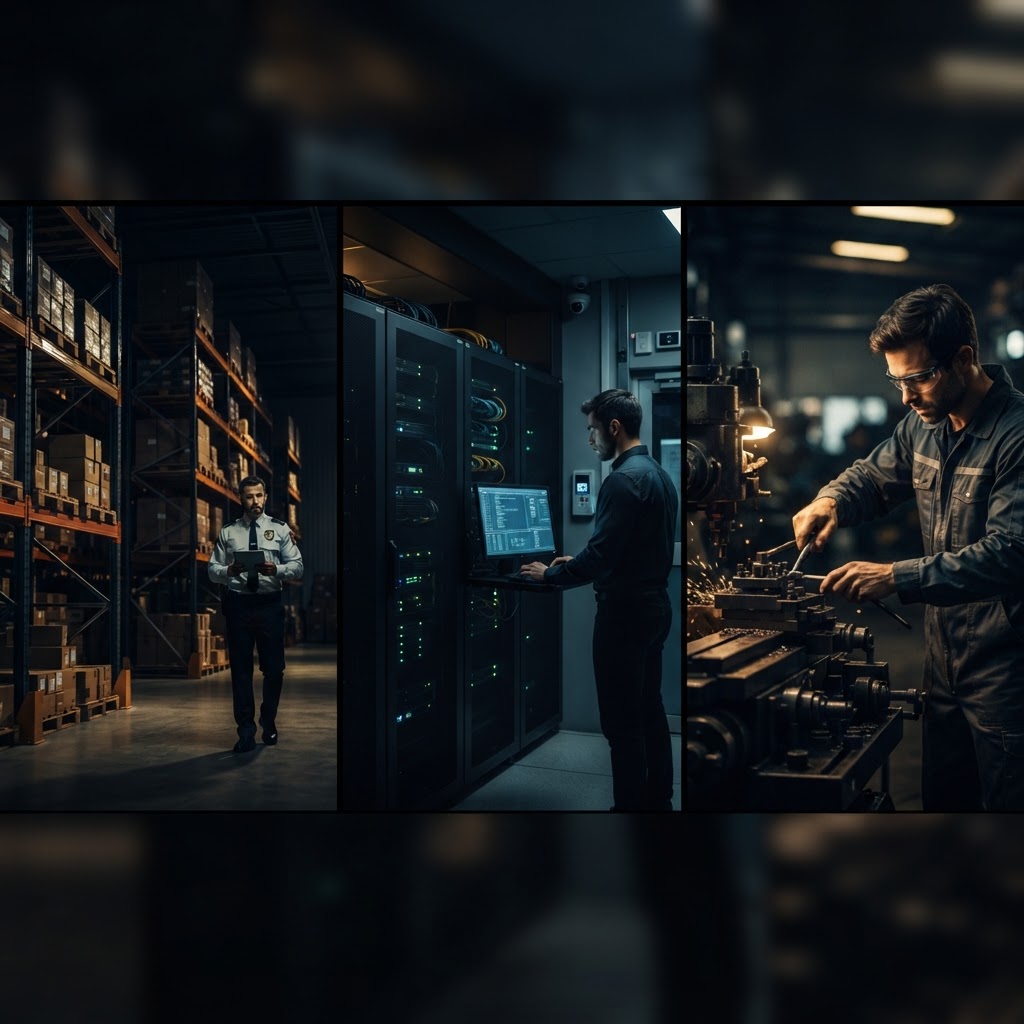
For small to mid-sized business owners, the loss of essential property isn’t just a financial setback—it’s an operational crisis. When a fire damages your warehouse or a thief makes off with your high-end diagnostic tools, the clock starts ticking on your downtime. The longer you are out of commission, the more customers you lose to competitors. Protecting your assets requires a dual approach: proactive risk mitigation and a robust insurance strategy tailored to your specific industry needs. Business property includes everything from the physical building and the signage on the front to the inventory, furniture, and specialized machinery used to create your products.
Common Risks to Your Business Property
Fire and Smoke Damage
Fire remains one of the most devastating risks for any commercial entity. Beyond the immediate destruction of the structure, smoke and soot can ruin sensitive electronics and inventory far from the flames. Many businesses fail to recover after a major fire because their insurance limits were based on outdated appraisals. A fire can start from something as simple as a faulty coffee maker or as complex as a chemical reaction in a laboratory. The secondary damage caused by fire sprinklers or firefighters’ hoses can also be substantial, often requiring a complete overhaul of the workspace.
Theft and Vandalism
As crime patterns shift, businesses often find themselves targets for both opportunistic theft and sophisticated burglaries. Equipment like catalytic converters from fleet vehicles, copper piping, and portable electronics are high-value targets for thieves looking for a quick payout. Vandalism, while sometimes seen as a minor nuisance, can lead to significant repair costs and business interruption. Graffiti, broken windows, and smashed equipment can hinder your brand image and make employees feel unsafe, leading to decreased productivity and morale.
Equipment Breakdown
We often think of property insurance in terms of external damage, but internal failure is just as risky. A power surge that fries your server or a mechanical failure in a refrigeration unit can lead to thousands of dollars in lost product and repair bills. Standard property policies often exclude "wear and tear" or mechanical breakdown, making specialized coverage essential for any business that relies on machinery, medical equipment, or high-end computing systems.
Natural Hazards and Environmental Factors
Depending on your geography, your business might be at risk for floods, earthquakes, or severe storms. Standard property policies often exclude flood and earthquake damage. It is vital to review your location-specific risks and consider separate policies or endorsements to cover these catastrophic events. Even smaller environmental factors, like a burst pipe during a cold snap or a roof leak after a heavy rain, can cause extensive mold and water damage that disrupts your operations for weeks.
Proactive Steps for Risk Mitigation
Conduct Regular Facility Inspections
Prevention is the first line of defense. Schedule quarterly walkthroughs of your premises with your maintenance lead or a safety officer. Look for frayed wiring, blocked fire exits, and signs of water leaks. If you operate heavy machinery, adhere strictly to the manufacturer’s maintenance schedule. Keeping a log of these inspections not only helps prevent accidents but can also be used as evidence of due diligence during an insurance claim, showing the carrier that you took reasonable steps to maintain the property.
Invest in Enhanced Security Systems
Modern security is more than just a sturdy lock and a key. Consider smart surveillance systems that allow for high-definition remote monitoring via your smartphone. Motion-activated lighting and alarm systems connected to a central monitoring station can significantly reduce the risk of theft and vandalism. For businesses with high-value mobile equipment, such as construction firms or medical specialists, GPS tracking devices are an excellent investment to aid in the recovery of stolen items.
Implement a Digital Inventory System
If disaster strikes, can you prove exactly what you lost to the insurance adjuster? Relying on memory or paper records kept on-site is a recipe for trouble. Use cloud-based inventory management software to track every piece of equipment, its serial number, date of purchase, and original cost. Take photos or video of your entire workspace annually and store these files in a secure cloud environment. Having this documentation ready can accelerate the claims process by weeks.
Navigating Commercial Insurance Options
Commercial Property Insurance
This is the core of your protection. It typically covers the building (if you own it) and the "Business Personal Property" (BPP) inside it, including furniture, computers, and inventory. When setting your limits, you must choose between "Replacement Cost" and "Actual Cash Value." Replacement cost pays to replace the item with a new one of similar quality at today's prices, while actual cash value only pays the depreciated value. For most businesses, replacement cost coverage is the safer bet to ensure you can truly get back to business after a loss.
Inland Marine Insurance
Despite the name, this coverage has nothing to do with the ocean. It protects tools, equipment, and products while they are in transit or at a job site. If your business involves construction, landscaping, or mobile repair services, your standard property policy likely won't cover your gear once it leaves your primary business location. Inland Marine bridges that gap, covering items like laptops, specialized tools, and even fine art while they are away from your home base.
Equipment Breakdown Coverage
As mentioned earlier, standard policies often exclude mechanical or electrical failure. Adding an equipment breakdown endorsement protects you against the sudden and accidental failure of boilers, HVAC systems, computers, and production machinery. This coverage often includes reimbursement for lost income during the downtime and the cost to expedite repairs. It is one of the most cost-effective ways to protect the technical heart of your business.
The Role of an Independent Agent
Every business has a unique risk profile. A restaurant faces different property risks than a graphic design studio or a machine shop. As an independent agency licensed in all 50 states, Oak & Harbor Insurance specializes in identifying these nuances. We work with a wide array of top-rated insurance carriers to find a policy that covers your specific assets without forcing you to pay for unnecessary bells and whistles. An independent agent acts as your advocate, reviewing your coverage annually to ensure it keeps pace with your business growth.
Conclusion
Protecting your business property is a continuous process of assessment, maintenance, and adjustment. By combining physical security measures, diligent maintenance, and a comprehensive insurance portfolio, you can ensure that your business is resilient enough to withstand the unexpected. Don't wait for a loss to discover the gaps in your protection; take the time today to review your inventory and your policy limits. A little preparation now can save your business from a devastating financial blow in the future.
Have questions about your coverage?
Our team evaluates coverage options to help find the right protection for your business.
Request a Quote