
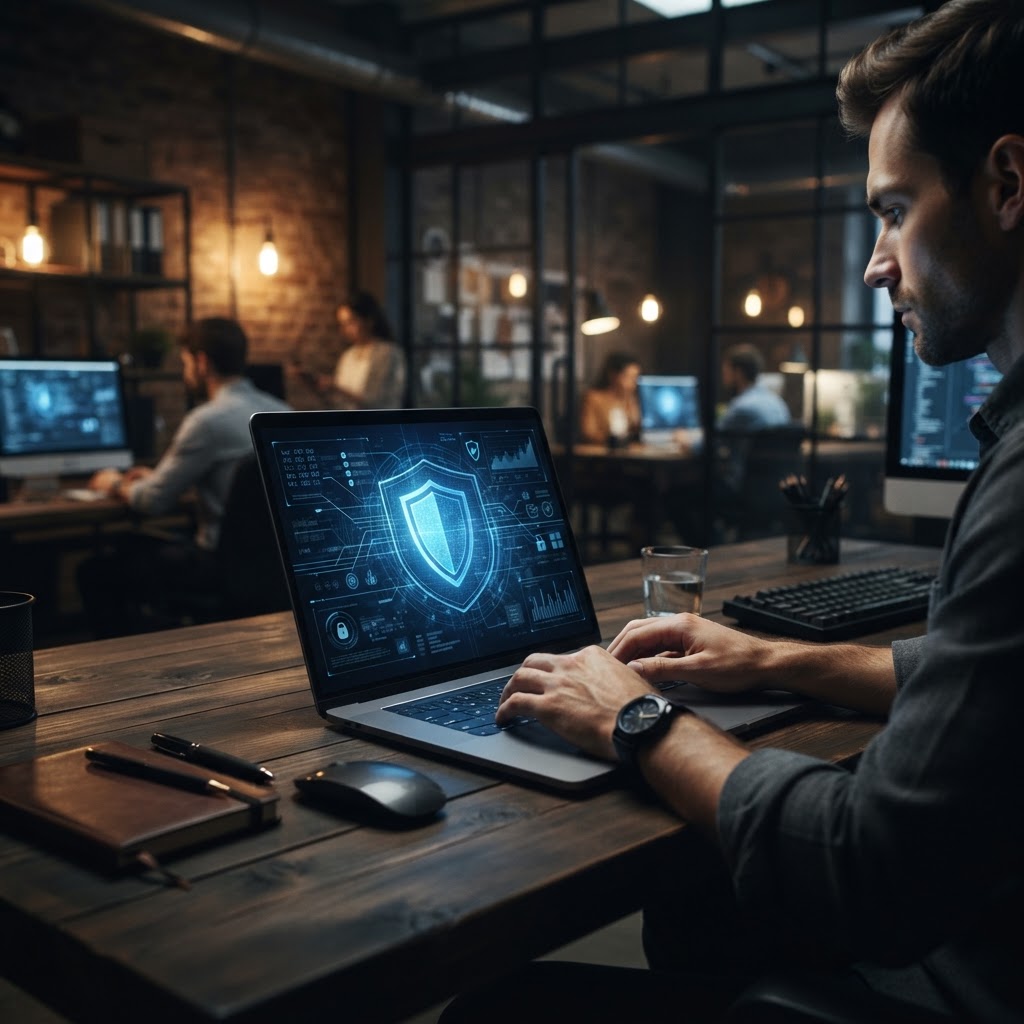
Small and mid-sized businesses are increasingly targeted by cybercriminals. Learn about the risks, the real costs of a data breach, and how cyber liability insurance protects your bottom line.
The Growing Threat to Small and Mid-Sized Businesses
Small and mid-sized businesses (SMBs) often operate under the dangerous misconception that they are flying beneath the radar of cybercriminals. In reality, SMBs are frequently viewed as "soft targets"—they possess valuable data, such as credit card numbers, medical records, and intellectual property, but often lack the robust security infrastructure of Fortune 500 companies. According to recent industry reports, nearly 43% of cyberattacks target small businesses, yet only a fraction are prepared to handle the fallout. At Oak & Harbor Insurance, we see firsthand how a single data breach can jeopardize years of hard work. Understanding the risks and how to transfer them through cyber liability insurance is no longer optional; it is a fundamental pillar of modern risk management.
Understanding the Modern Threat Landscape
The methods used by cybercriminals are constantly evolving. Phishing remains the most common entry point, where attackers send deceptive emails to trick employees into revealing passwords or downloading malware. Ransomware has also surged, where hackers encrypt a business's data and demand payment to unlock it. Beyond external attacks, social engineering involves manipulating individuals into performing actions or divulging confidential information. Even "insider threats," whether malicious or accidental (like an employee losing a laptop), can lead to a catastrophic data breach. For an SMB, these threats aren't just IT issues; they are existential business risks.
The Rise of Business Email Compromise (BEC)
One of the most financially damaging types of cybercrime today is Business Email Compromise (BEC). In a BEC attack, a criminal gains access to a corporate email account and impersonates a high-level executive or a known vendor. They then use this perceived authority to request fraudulent wire transfers or sensitive payroll information. Because these attacks often do not contain malicious links or attachments, they can bypass traditional antivirus software. The loss from a single BEC incident can easily reach six figures, making it a critical risk that SMB owners must address through both training and specialized insurance coverage.
The True Cost of a Data Breach
When business owners think about the cost of a breach, they often focus on the immediate financial theft. However, the secondary costs are usually much higher. First, there are the forensic costs to determine how the breach happened and how to close the hole. Then, legal requirements demand that you notify every individual whose data may have been compromised, which often includes providing credit monitoring services. If the breach results in a lawsuit from customers or vendors, legal defense and settlement costs can reach hundreds of thousands of dollars. Furthermore, the regulatory fines for failing to protect data (under laws like CCPA or GDPR) can be staggering. Finally, there is the intangible but devastating loss of reputation. Customers trust you with their data; once that trust is broken, many never return.
What is Cyber Liability Insurance?
Standard General Liability (GL) policies rarely cover cyber-related losses. Cyber liability insurance is specifically designed to fill this gap. It is generally divided into two categories:
-
First-Party Coverage: This covers your business's direct losses, including the cost of data recovery, forensics, business interruption (lost income while systems are down), and the cost of notifying customers.
-
Third-Party Coverage: This protects you if a third party (like a client or partner) sues you for failing to protect their data or for unintentionally transmitting a virus to their network.
Having this coverage ensures that if the worst happens, you have the financial resources and expert assistance (such as breach response teams) to recover.
Practical Steps to Mitigate Risk
While insurance is your safety net, prevention is your first line of defense. Start by implementing Multi-Factor Authentication (MFA) across all accounts; it is one of the most effective ways to stop unauthorized access. Conduct regular employee training to help your team spot phishing attempts and social engineering tactics. Ensure that your data is backed up frequently and that those backups are stored off-site or in an immutable cloud format. Additionally, every SMB should have a written Incident Response Plan (IRP) so that every team member knows exactly what to do the moment a breach is detected. Speed is of the essence in minimizing damage and complying with legal notification timelines.
Why Partnering with an Independent Agency Matters
Navigating the cyber insurance market is complex. Policy terms, exclusions, and pricing vary significantly between carriers. As an independent agency licensed in all 50 states, Oak & Harbor Insurance works with a wide array of top-rated carriers. We don't just sell you a policy; we help you understand your specific exposures and find the right coverage at a competitive price. Whether you are a local retailer or a growing tech firm, we provide the expertise needed to secure your digital future. Cyber threats are a reality of doing business today, but with the right preparation and protection, they don't have to be the end of your business.
Have questions about your coverage?
Our team evaluates coverage options to help find the right protection for your business.
Request a Quote